Introduction: A Popular But Misunderstood Example

Many people, with sincere hearts and good intentions, point to the thief on the cross as an example of how easy it is to be saved. They want to emphasize the incredible love of Jesus—that even in His final moments, He extended mercy. And while that’s true and beautiful, we need to pause and ask: Is the thief truly the example we should follow for salvation today?
The short answer? No.
The thief’s salvation occurred under the Old Covenant, before the gospel of Jesus Christ was fully revealed through His death, burial, resurrection, and the outpouring of the Holy Ghost.
Let’s walk through why this matters—and how the New Testament actually lays out a different plan for us today.
The Thief Was Saved Before the New Covenant Began
Scripture teaches that the New Covenant—the one we’re under today—didn’t begin until after Jesus’ death.
“For where there is a testament, there must also of necessity be the death of the testator. For a testament is in force after men are dead…”
—Hebrews 9:16–17, NKJV
When Jesus forgave the thief on the cross, He had not yet died, been buried, or risen again. At that moment, He was still fulfilling the Old Covenant. Jesus acted as both High Priest and Sacrifice, extending mercy based on the law that was still in effect.
Dr. David K. Bernard, General Superintendent of the United Pentecostal Church International, explains it this way in his book Essentials of the New Birth:
“During His earthly ministry, Jesus forgave the sins of repentant Jews, admonishing them to continue to live by the old covenant until the new came into being (Matthew 8:4; 19:16-19; 23:1-3, 23; Luke 10:25-28; 17:14; John 8:11). Jesus was both high priest and sacrifice for the thief on the cross. The Day of Pentecost after Christ’s ascension marked the inauguration of the new covenant, the beginning of the New Testament church (Matthew 16:18; Luke 24:47-49; Acts 1:4-8). From that time forward, entrance into the New Testament church has been accomplished by obedience to Acts 2:38.”
Yes, the thief was saved—but it was under a covenant that is no longer the standard.
The Church Didn’t Begin Until the Day of Pentecost
After Jesus rose from the dead, He instructed His disciples to wait in Jerusalem for the promise of the Father:
“Behold, I send the Promise of My Father upon you; but tarry in the city of Jerusalem until you are endued with power from on high.”
—Luke 24:49, NKJV
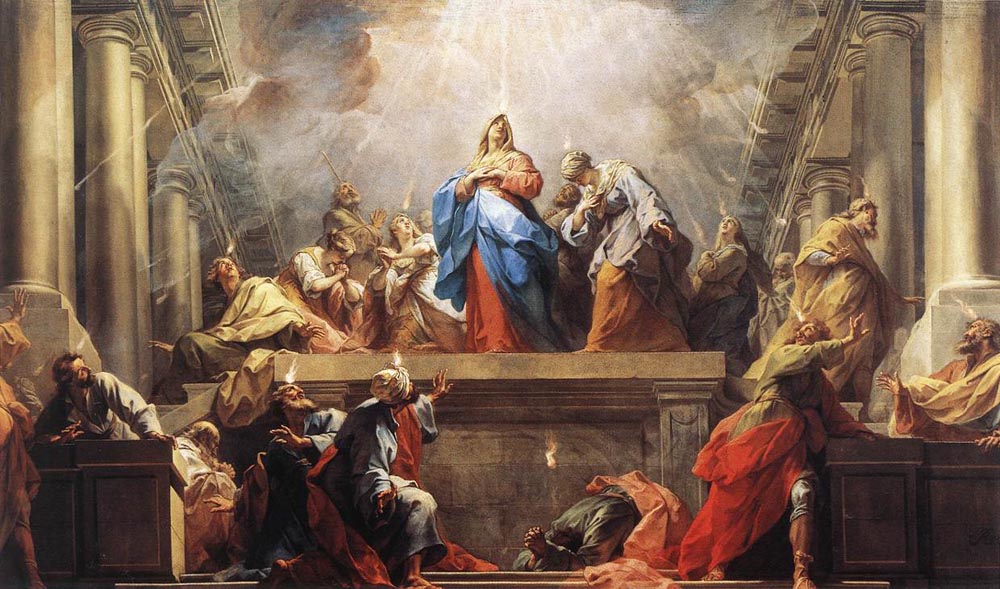
That promise was fulfilled in Acts 2, on the Day of Pentecost, when the Holy Spirit was poured out. This marked the birth of the New Testament Church—the one Jesus spoke of in Matthew 16:18, saying, “Upon this rock I will build My church.”
And when the people asked what they should do in response to the gospel, Peter stood up and preached the plan of salvation for the New Covenant:
“Then Peter said to them, ‘Repent, and let every one of you be baptized in the name of Jesus Christ for the remission of sins; and you shall receive the gift of the Holy Spirit.’”
—Acts 2:38, NKJV
From that moment on, Acts 2:38 became the clear and consistent pattern for salvation.
Real Talk: A Common Misunderstanding I Often Hear
I can’t count how many times I’ve heard sincere Christians say something like, “All we have to do is believe in Jesus—just like the thief on the cross did.” Usually, this comes up in conversations about baptism or the infilling of the Holy Ghost. It’s often said in an effort to make salvation sound simple and accessible—which I completely understand.
But here’s the issue: that line of reasoning unintentionally dismisses the full gospel Jesus gave to the Church. The idea that belief alone is enough can lead people to ignore or delay obedience to what the Bible actually teaches.
I often hear someone follow up with, “Well, what about someone on their deathbed? Are you saying they can’t be saved if they just believe in Jesus in their final moments?”
Here’s the truth: God is merciful, and we’re not in the business of deciding who He saves. But that argument—while emotional—isn’t a strong biblical foundation. If someone had their entire life to respond to the gospel and chose to wait until moments before death, that’s not an example to build our theology on. It’s a tragedy, not a template.
The good news is, we don’t have to wait. The plan has already been given. Jesus died and rose again so we could fully respond to the gospel now—through repentance, baptism in His name, and receiving the Holy Ghost.
Real-Life Impact: Acts 2:38 Still Works Today
I wasn’t raised in a Pentecostal church. I didn’t grow up hearing about Acts 2:38 in full context. But when I walked into an Apostolic church for the first time, I felt something real. The presence of God was undeniable. The preaching, the worship, the love in the room—it all pointed to a deeper truth.
It was there I learned what it meant to repent, to be baptized in Jesus’ name, and to be filled with the Holy Ghost, just like they were in Acts 2.
I’ll never forget the moment I received the Holy Ghost, speaking in other tongues as the Spirit gave the utterance. It wasn’t emotional hype. It was power. It was peace. It was truth—and it changed everything.

Conclusion: The Blueprint Has Been Given
The thief on the cross shows us Christ’s mercy. But he is not the blueprint for salvation today. That blueprint is found in the death, burial, and resurrection of Jesus—and our response to it through Acts 2:38.
To point to the thief and say, “That’s all we need,” is to dismiss the fullness of the gospel Jesus came to bring. Let’s not stop at the cross. Let’s move forward to the empty tomb, to the upper room, and into the life-changing power of the Spirit.
Call to Action: What Will You Do With the Truth?
Have you obeyed Acts 2:38? Have you experienced the gift of the Holy Ghost, just like they did in the book of Acts?
If not, this is your moment. Reach out. Ask questions. Leave a comment. Connect with a local Apostolic church. We’d love to help you walk this out, step by step.
Jesus opened the door. Now it’s time to walk through it.
 Apostolic Insights
Leave a comment