
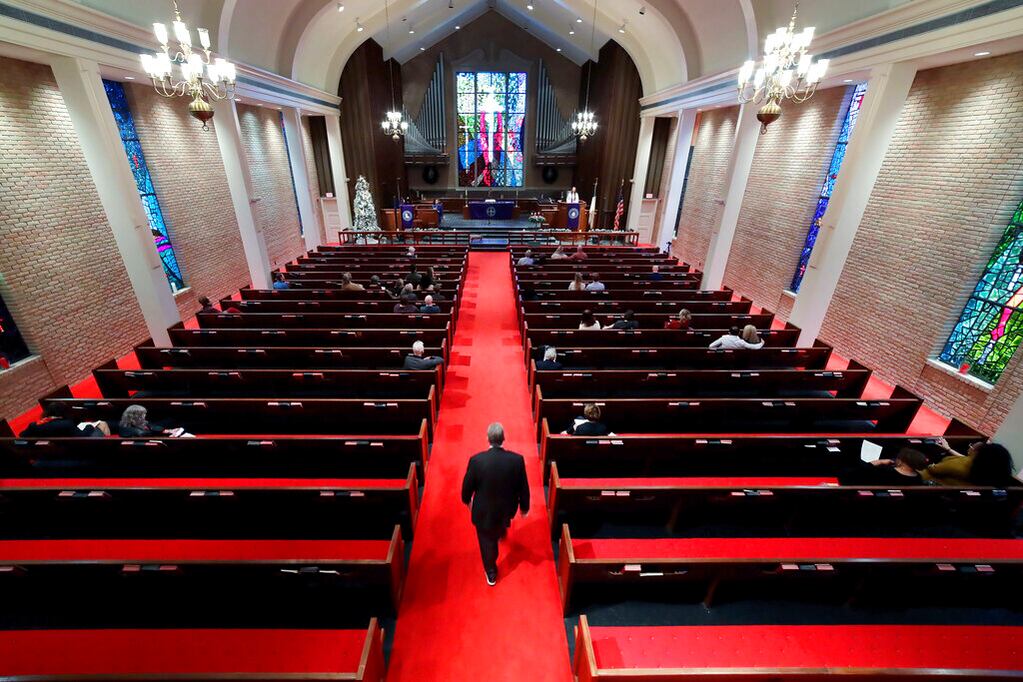
I recently watched an ABC News video titled Is America Losing Its Religion?, and I haven’t been able to stop thinking about it. The video highlights a troubling trend: the decline in church attendance across America. Beautiful church buildings—places of worship and community for generations—are being sold, renovated into homes, or even transformed into clubs. The very idea of a former church turned into a club feels unsettling. Even if I were in the world, I would never feel comfortable in a place like that. If I owned a club, I know I couldn’t buy a church. But here we are. This is the reality we’re facing.
As the Director of Promotions for Tennessee North American Missions and an ordained United Pentecostal Church International minister, I have the privilege of focusing on planting new churches. But today, I feel the weight of saving our established churches—those that have served faithfully in communities for decades. These congregations, filled with elders who have given their lives to ministry, are dwindling. And I can’t help but wonder: where are the young people? Who will carry the baton?
Asking the Hard Questions
“On any given weekend, about three in 10 U.S. adults attend religious services, down from 42% two decades ago. Church attendance will likely continue to decline in the future, given younger Americans’ weaker attachments to religion.” (Gallup)
Let’s ask the hard questions: Are our current congregations doing everything possible to reach children, youth, college students, and young married couples? Where are the young pastors? Are they getting ordained? Are older pastors mentoring their replacements and setting up the next generation for success? These are the questions that keep rolling in my head.
Here’s the thing: I don’t have all the answers. But I do know that tackling this issue will require great minds who care deeply about the future of the church coming together. So, let’s explore these questions and consider how we can begin to turn the tide.
Reaching the Next Generation
It’s no secret that younger generations are increasingly disengaged from traditional church structures. But this doesn’t mean they aren’t searching for meaning, community, and truth. Are we making church a place where they feel welcomed and seen? Are we addressing the issues they’re facing from a biblical perspective? These are crucial steps in bringing them back to the fold.
I was reminded of this recently when my dad, who lives a couple of hours away, traveled to hear me preach at Centerpointe Apostolic Church in Murfreesboro, TN. At the time, I was serving at Centerpointe, and my dad brought along a friend from his small country Baptist church. After the service, my dad’s friend, visibly moved, shared with me how amazed he was by the number of young people in our church. He had been fearful that young people didn’t care about the church or God anymore, but witnessing the youth and college-age individuals at Centerpointe serving in various ministries changed his perspective. This wasn’t by accident. At Centerpointe, we intentionally created a culture of serving that includes teens and up, which fosters a sense of ownership and investment. The most important part of this is our consistent focus on building our children’s, youth, and college departments.
My pastor, Kevin Allen, often says we live in a post-Christian world where most people don’t know the basics of Christianity or “Sunday school stories.” This means we have to teach and preach the fundamentals of the faith as if the congregation has never heard them before. This perspective should shape our approach to reaching and discipling the next generation.
Here’s what I would suggest:
- Focus Outreach Efforts on Younger People: Invest in ministries for children, youth, college students, and young families. This isn’t just about programming; it’s about building relationships and showing them the relevance of the gospel in their lives.
- Address Current Issues Biblically: Whether it’s social justice, mental health, or questions about identity, we need to speak to these topics with grace and truth. Younger generations are looking for authenticity and answers.
- Invest in Discipleship: Discipleship initiatives should focus on younger people, covering Bible basics, doctrine, and current relevance on the issues they face. Young people desire authenticity and connection, and discipleship can provide a safe space for them to ask questions, grow, and feel valuable. They need a point person who is invested in their spiritual journey.
- Train Up Replacements: No matter our age, we should always be investing in someone else. Older pastors and leaders should be mentoring younger ones, not just to take over roles but to lead with confidence and vision. As my grandmother often told me, there’s no greater joy than seeing the next generation serve faithfully.
A Collaborative Effort
Saving our established churches won’t happen overnight, and it won’t happen alone. It will take all of us—pastors, congregants, denominational leaders, and laypeople—working together. It’s not just about keeping the doors open; it’s about ensuring that the work our elders poured their lives into continues to bear fruit.
As we tackle these challenges, let’s remember the promise in Galatians 6:9: “Let us not grow weary while doing good, for in due season we shall reap if we do not lose heart.” Let’s not lose heart, friends. Together, we can turn the ship around.
It’s Not All Doom and Gloom
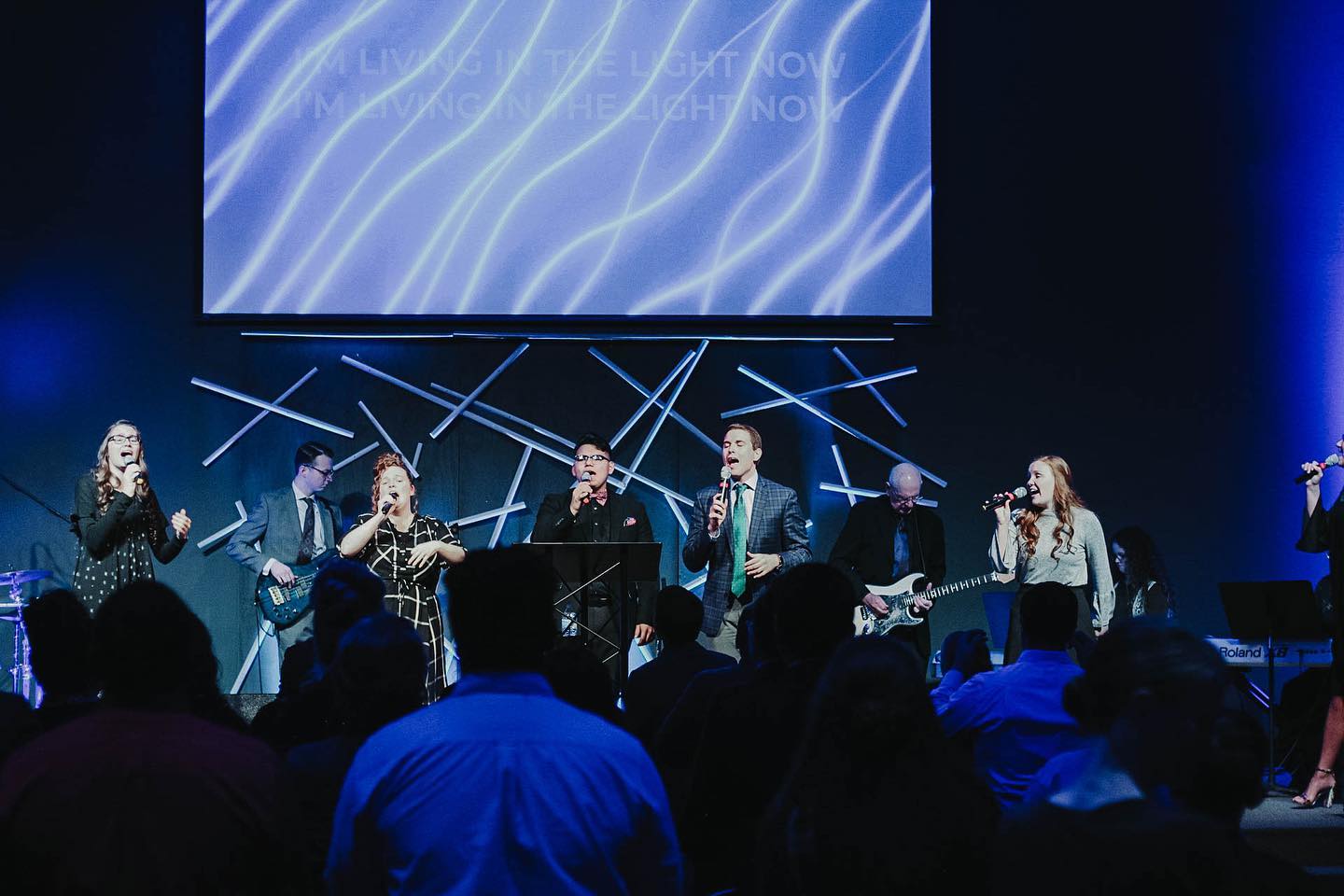
While it’s true that many traditional churches are experiencing a decline in attendance, there is a positive trend among non-denominational and Pentecostal congregations, which are attracting younger demographics and expanding their reach.
Non-Denominational Churches:
Over the past decade, non-denominational churches have seen significant growth. According to the 2020 U.S. Religion Census, there were 4,000 more non-denominational churches in 2020 compared to 2010, with an increase of 6.5 million attendees during that period. Christianity Today
Additionally, a study by Lifeway Research found that 30% of non-denominational church attendees are millennials, indicating a strong appeal to younger generations. Lifeway Research
Pentecostal Churches:
Globally, Pentecostal and Charismatic movements are among the fastest-growing Christian traditions. These churches are expanding rapidly, particularly in regions like Africa and Latin America, due to their dynamic worship styles and community engagement. Current Affairs
In the United States, while some surveys suggest that over half of Americans (51%) may not be inclined to attend a church with “Pentecostal” in its name, this does not necessarily reflect the actual growth trends within Pentecostal congregations. Christianity Today
In summary, despite challenges faced by certain denominations, non-denominational and Pentecostal churches are experiencing growth and successfully engaging younger audiences.
Reflect and Respond
- What is your church doing to reach younger generations?
- Are there opportunities to mentor or be mentored within your congregation?
- How can we collectively create spaces where the next generation feels valued and equipped to lead?
I’d love to hear your thoughts and ideas. Let’s keep this conversation going—not just for the sake of preserving buildings, but for the sake of preserving the faith for generations to come. Please share this post with pastors and leaders in the church that you know and subscribe.
 Apostolic Insights
Leave a comment